How silicone thin-coat render works
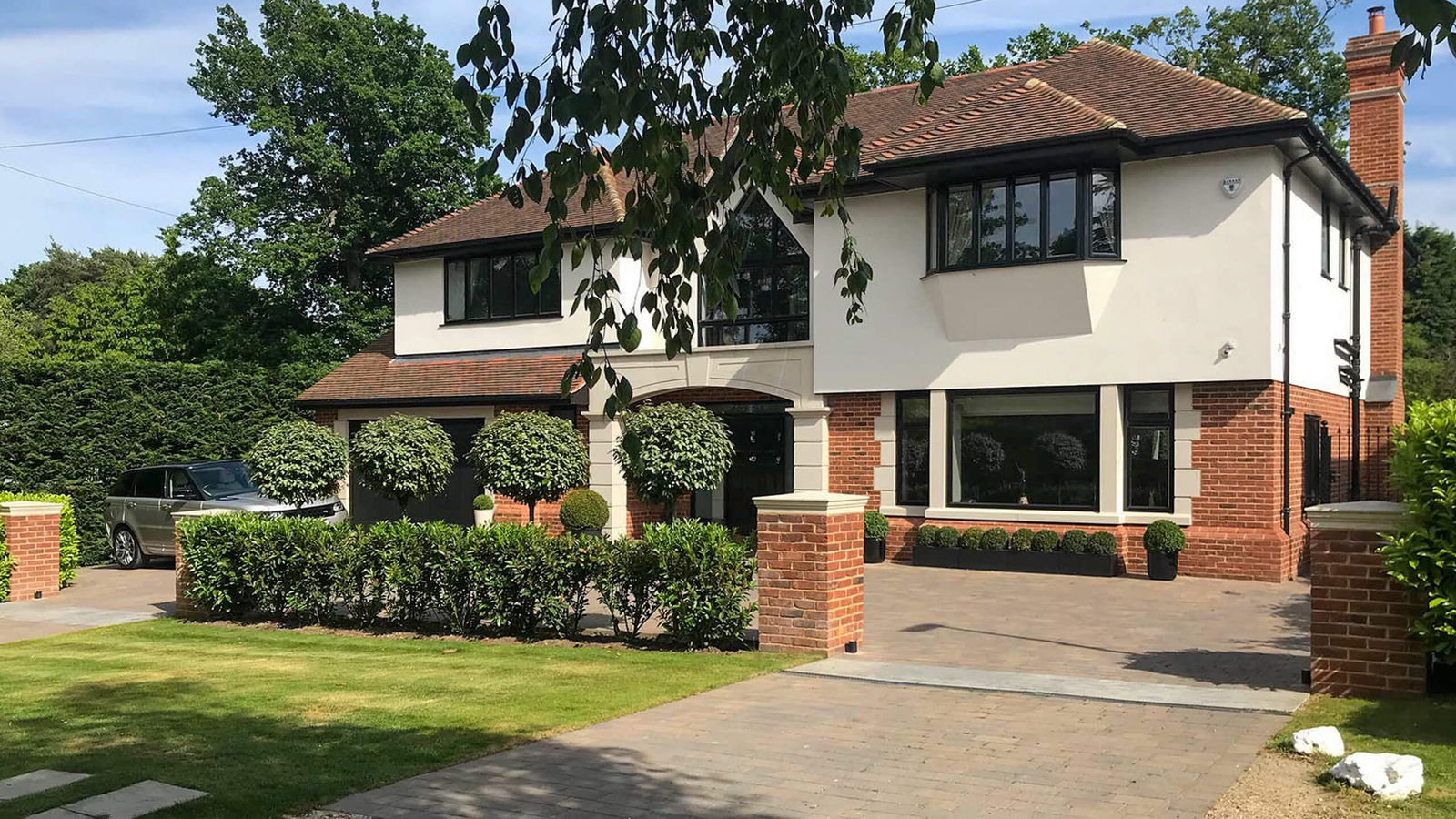
A silicone thin-coat finish is normally applied over a compatible prepared and reinforced basecoat. It offers a relatively fine surface texture and a broad choice of colours, but its durability relies on the full specified system rather than the topcoat alone.
The background, reinforcement, beads, primer and movement details must all suit the manufacturer’s requirements. Silicone render is often considered for renovations as well as newer homes, subject to substrate suitability.
What makes monocouche different?
Monocouche is a through-coloured mineral render commonly applied in specified passes and finished with a scraped texture. It is widely used on suitable masonry blockwork and new residential developments.
Suction control, weather during application, appropriate thickness and movement joints all affect the result. A scraped monocouche finish looks different from a fine-grained silicone finish, so view samples in natural daylight.
Which system should you choose?
The existing wall matters more than the product name. Previously painted masonry, damaged render, cracks and moisture issues need investigation before a system can be recommended. Certain older solid-wall buildings may require a compatible lime-based approach.
For a thermal upgrade, consider a properly designed external wall insulation system rather than expecting decorative render to deliver meaningful insulation. Rendafacade can assess the walls and explain the appropriate options.
Every property is different. Render, plastering and insulation specifications must be chosen to suit the building and the manufacturer's installation guidance. For a quotation, send the property location, approximate dimensions and photographs.
Explore Rendafacade services